A reusable pad kit costs a fraction of a single night’s conservancy fee at a Porini camp. That small fact sits at the center of an overlooked story in Maasai Mara tourism. Gamewatchers Safaris, the operator behind Porini Camps, channels part of every guest’s stay into a menstrual health and girls’ education program. It runs through the community conservancies Gamewatchers helped found. The program pairs reusable sanitary kits with a partner initiative called PadMad, reaching schools inside Ol Kinyei and Selenkay conservancies. Touring Insights looked at how the money actually moves. It traces a path from a guest’s conservancy fee to a girl staying in class through her period. The figures below come from Gamewatchers’ own 2025 community reporting.
What Gamewatchers’ Menstrual Health Program Actually Does
Gamewatchers partners with PadMad, an initiative founded by Madhvi Dalal that produces reusable sanitary kits inside Kenya. Each kit holds five liners, one liner holder, two small daytime pads, and two large nighttime pads. The materials are biodegradable and built to last roughly five years with normal care. That lifespan matters in areas where disposable pads sell at a premium or are simply not stocked at the nearest shop. A girl who owns one kit skips the monthly trip to a shop. That shop may be an hour’s walk from her homestead in the first place.
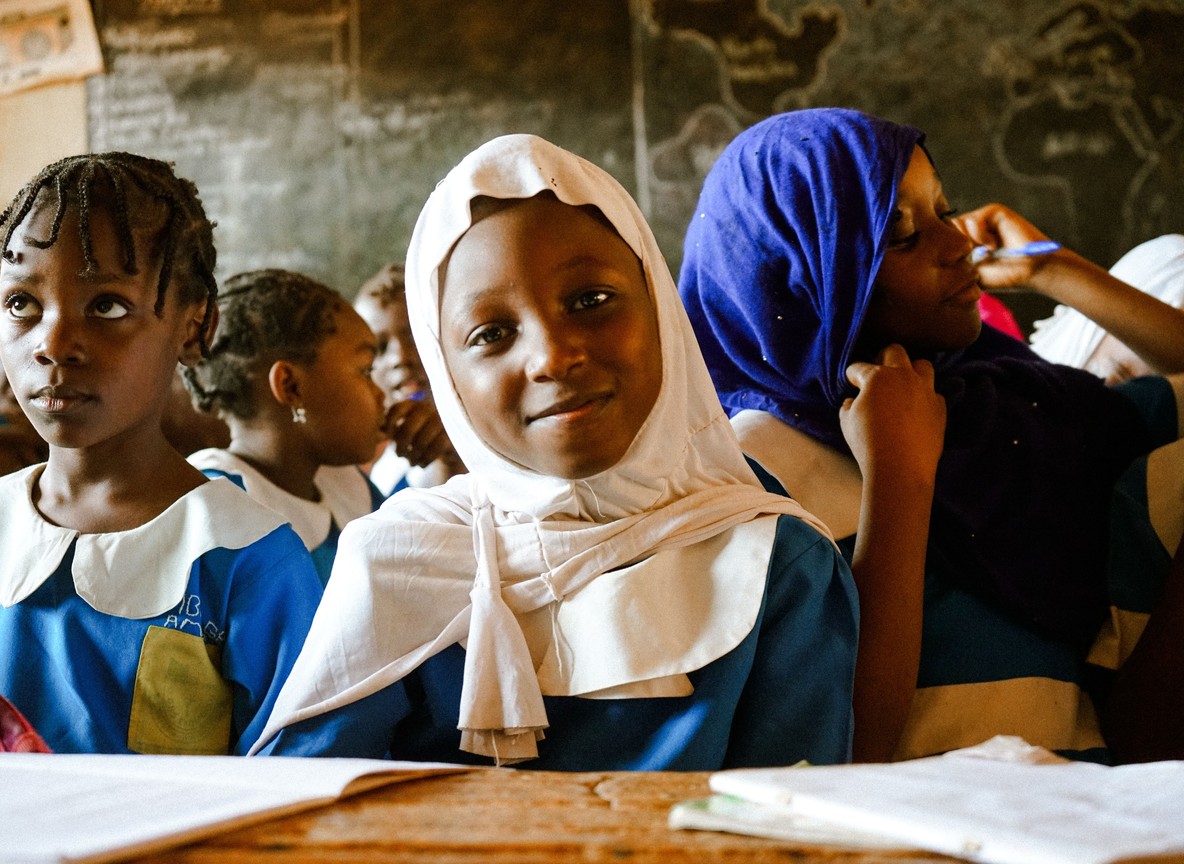
Gamewatchers funds the kits and also runs school sessions covering stigma and basic health education, not just the physical product itself. Boys attend some of these sessions too, since silence around periods often starts inside the home rather than the classroom. Teachers report that open conversation alone changes attendance, even before a single kit changes hands. A subject that used to stay unspoken between mothers and daughters now gets addressed in front of a whole classroom.
Why Menstrual Health Blocks Girls’ Education Near the Mara
Gamewatchers cites internal research on the schools it works with. Girls there miss an average of three to seven class days every month during their periods. Multiply that across a school year and a girl can lose more than a month of lessons before she ever sits an exam. Families in Ol Kinyei and Selenkay are largely Maasai pastoralist households, where school fees already compete with livestock costs and recurring drought years. A missed exam season on top of that gap pushes some girls out of school for good, often permanently. Reusable kits do not solve every barrier a girl in the Mara faces day to day. They remove one recurring, physical reason for her to fall behind her classmates.
How Safari Tourism Money Reaches Girls’ Education
The funding chain is short by design. Guests staying at Porini Mara Camp, Porini Lion Camp, or Porini Amboseli Camp pay a nightly conservancy fee on top of the camp rate. That fee runs around $130 per person per night, an indicative 2026 figure. It goes to the conservancy trust, not to Gamewatchers directly. Trusts pay it out as land lease income to the Maasai families who set aside grazing land for wildlife. A smaller share funds community projects such as schools, clinics, and the menstrual health program. In 2025, Ol Kinyei Conservancy alone paid out $1,086,684 to its community. Olare Motorogi paid $478,063, Selenkay paid $423,178, and the newer Mara Ripoi Conservancy paid $333,326. None of that total counts as profit for camp owners. It is contractual payment for land use, agreed with the landowning families themselves.
Where to See the Program: Camps, Conservancies, and Distances
Each conservancy funds a different slice of the region, and each sits a different distance from Nairobi. The table below lays out the camps behind the program, the conservancies that fund it, and how the 2025 community payments compare.
| Conservancy | Associated Porini Camp | Access from Nairobi | 2025 cash paid to community |
|---|---|---|---|
| Ol Kinyei | Porini Mara Camp | ~250 km by road (about 4 hrs), or ~50 min flight from Wilson Airport to Ol Kiombo airstrip | $1,086,684 |
| Olare Motorogi | Porini Lion Camp | ~50 min flight to Ol Kiombo airstrip, then a 25 min game drive | $478,063 |
| Selenkay | Porini Amboseli Camp | Near Amboseli National Park; same community program network | $423,178 |
| Mara Ripoi | Newest conservancy, a Gamewatchers founding partner | Southern Maasai Mara ecosystem | $333,326 |
Ol Kinyei carries the largest payout partly because it is the oldest of the four conservancies listed. Maasai landowners and Gamewatchers formed it in 2005, making it the first conservancy inside the wider Mara ecosystem. It now covers roughly 65 km2 of grazing and wildlife habitat, leased from 171 local families under long-term agreements. That history gives the menstrual health program its deepest foothold in the region. Ol Kinyei’s schools have worked alongside Gamewatchers longer than any other conservancy on this list.
Ol Kinyei Secondary School: What the Money Builds
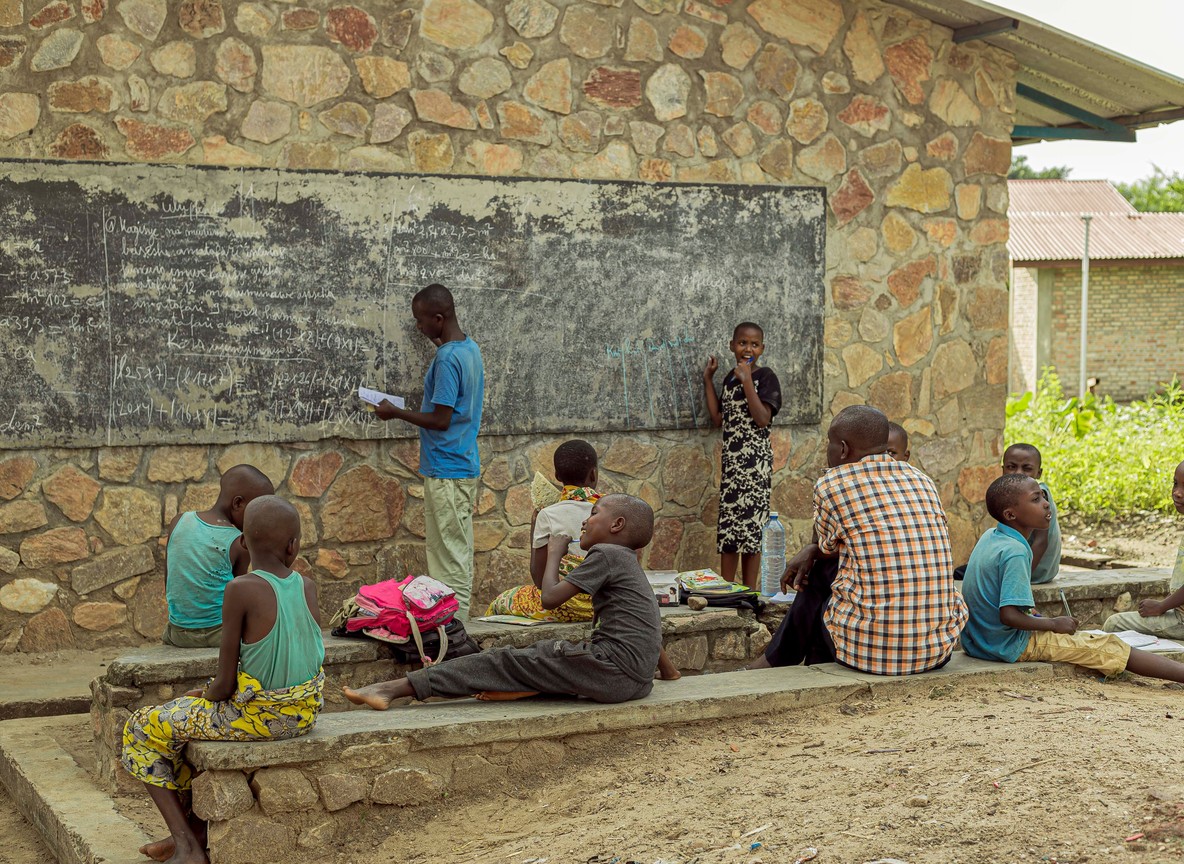
Ol Kinyei Secondary School shows what conservancy income looks like at ground level. The school currently enrolls 570 students across just seven classrooms, a ratio that strains both teachers and students during exam terms. Gamewatchers has been raising funds for an eighth classroom, budgeted at roughly $11,000, alongside its ongoing menstrual health work at the same school. Every guest conservancy fee, every PadMad kit distributed, and every classroom brick traces back to the same tourism dollars. For a visitor booking a stay at Porini Mara Camp, that connection is not abstract marketing language. It is a specific school, a specific student count, and a specific funding gap a guide can walk you through directly.
The Maarifa Education for Conservation Program
The menstrual health work sits alongside a broader initiative called Maarifa. An Australian nonprofit founded by Kristy Thomson, a member of the Gamewatchers team, runs it in partnership. Maarifa organizes what it calls Mazingira, or Environment, Clubs, plus a school twinning arrangement connecting Mara-area students with peers in Australia. Field trips take Illoirero students to Amboseli National Park and Kishermoruak students to the Maasai Mara National Reserve itself. For many, it is their first visit to parks on their own doorstep.
Planned projects include a school library stocked with conservation materials and a kitchen garden paired with an energy-efficient stove. That kind of infrastructure rarely makes it into a county education budget on its own. Together, Maarifa and the menstrual health program treat girls’ education and conservation as one connected goal, not two causes competing for the same donor dollar. A student who understands why the conservancy exists is also more likely to defend it as an adult, whether as a landowner, a guide, or a future ranger.
Explorer Notes
If you stay at Porini Mara Camp or Porini Lion Camp, ask your camp manager whether a brief school visit fits your itinerary. Some conservancies allow short, respectful visits outside exam periods, though this is never guaranteed and should not be assumed as a standard camp activity. Bring nothing to hand out directly to children yourself. Route any donation through the conservancy trust or Gamewatchers’ community office instead of a guest’s daypack. Guides working Ol Kinyei often grew up in the same villages the program serves. Many can speak firsthand about what a conservancy payment meant for their own school fees. That kind of personal account tends to land harder than any brochure statistic ever could.
FAQ
What is Gamewatchers’ menstrual health program? A partnership between Gamewatchers Safaris and PadMad that supplies reusable sanitary kits and runs stigma-reduction sessions in schools inside Ol Kinyei and Selenkay conservancies near the Maasai Mara.
How does safari tourism actually pay for girls’ education here? Guest conservancy fees, currently around $130 per person per night at Porini camps, flow to conservancy trusts. The trusts pay Maasai landowners for grazing land and direct a portion toward schools, clinics, and programs like the menstrual health initiative.
Which camps are connected to the program? Porini Mara Camp (Ol Kinyei Conservancy), Porini Lion Camp (Olare Motorogi Conservancy), and Porini Amboseli Camp (Selenkay Conservancy) all sit inside conservancies that fund community projects, including menstrual health support.
Can visitors donate directly or visit a supported school? Ask your camp manager first. Some conservancies permit brief school visits outside exam periods, and Gamewatchers’ community office can direct donations so they reach the program rather than one individual family.
Is Ol Kinyei really the first conservancy in the Maasai Mara ecosystem? Yes. Maasai landowners and Gamewatchers formed it in 2005, and it remains one of the longest-running community conservancy partnerships in the region.
A conservancy fee on a receipt does not always explain itself. Now you know what it can fund past the wildlife you came to see, from a reusable pad kit to a new classroom wall. If you are planning a Mara trip and want a camp with this kind of direct community link, check the Tour Packages page for conservancy-based itineraries. Ask about camps inside Ol Kinyei or Olare Motorogi specifically.